Welcome to the NCDC Laboratories
Our laboratories are dedicated to protecting public health through accurate diagnosis, disease surveillance, and research.
Together, we are committed to safeguarding the health of all communities across Libya.
Our Vision
To keep Libya healthy by leading in disease detection, research, and public health laboratory services.
Our Mission
To protect people’s health through accurate testing, disease surveillance, and strong scientific work that supports the Ministry of Health and all communities in Libya.
The Importance of NCDC Laboratories
The National Center for Disease Control (NCDC) plays a pivotal role in safeguarding the health of all people in Libya. Our laboratories serve as the national reference point for infectious disease detection and control providing:
- Rapid and accurate laboratory diagnosis
- Confirmation and reference testing for national health facilities
- Capacity building and training for laboratory professionals
- Quality assurance and external quality assessment (EQA) programs
- Research and data to guide public health decision-making
By integrating surveillance, diagnostics, and innovation, NCDC laboratories strengthen the country’s ability to prevent, detect, and respond to outbreaks — ensuring health security for every community
Our Key Laboratories
- Public Health Reference Laboratory (PHRL)
- Tuberculosis Reference Laboratory
- Vector-Borne Diseases Laboratory (Zoonotic Diseases)
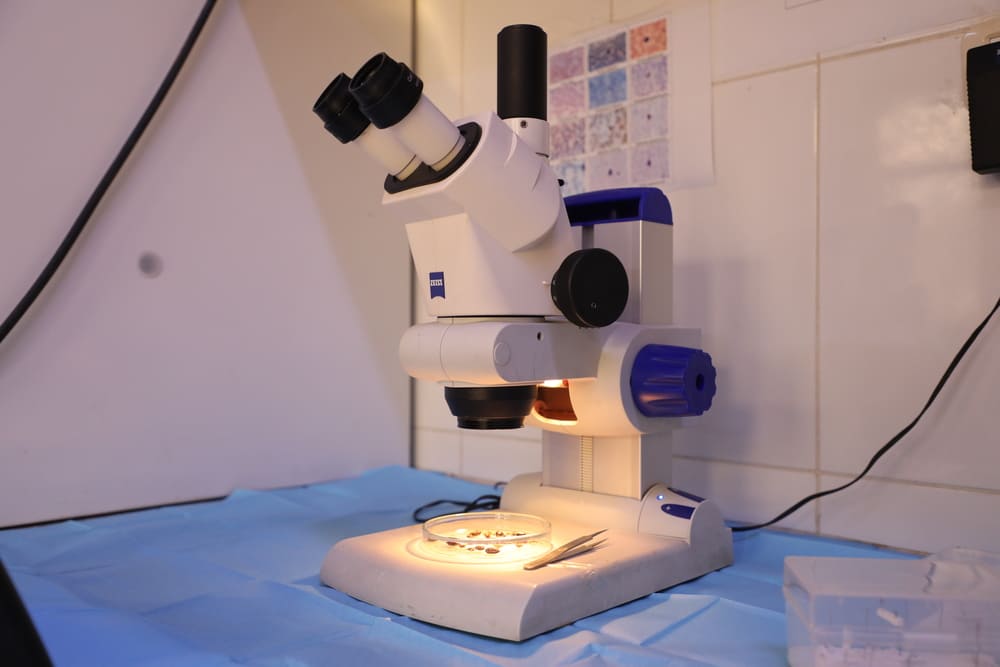
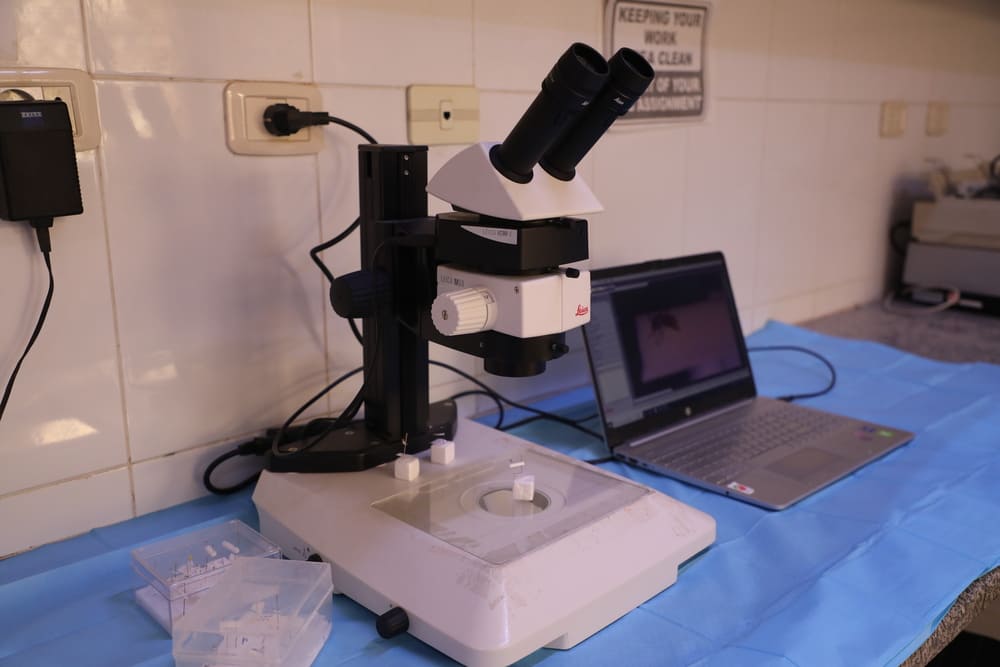

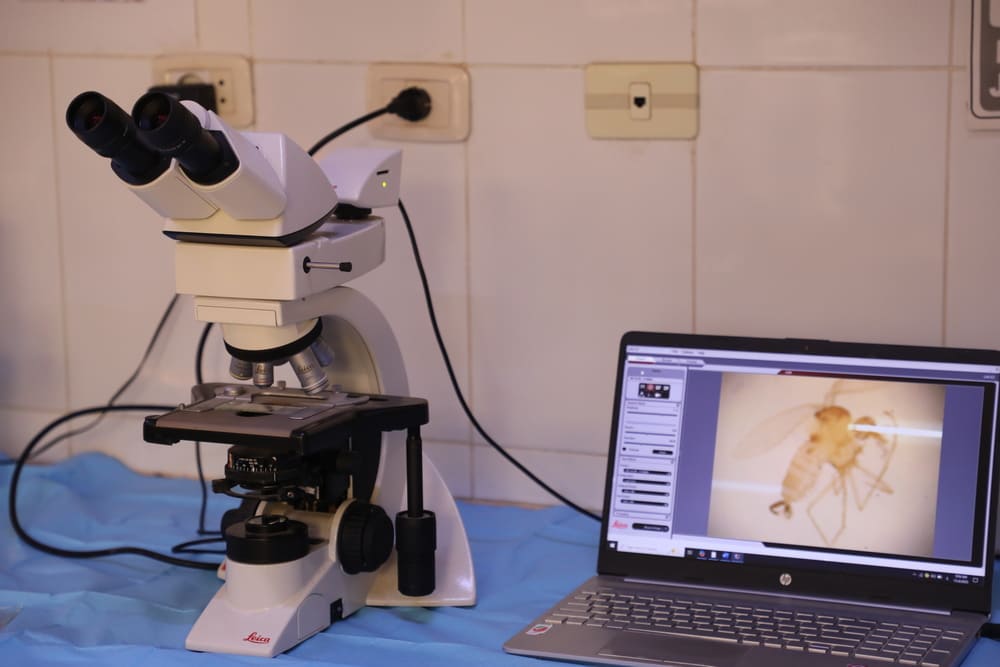
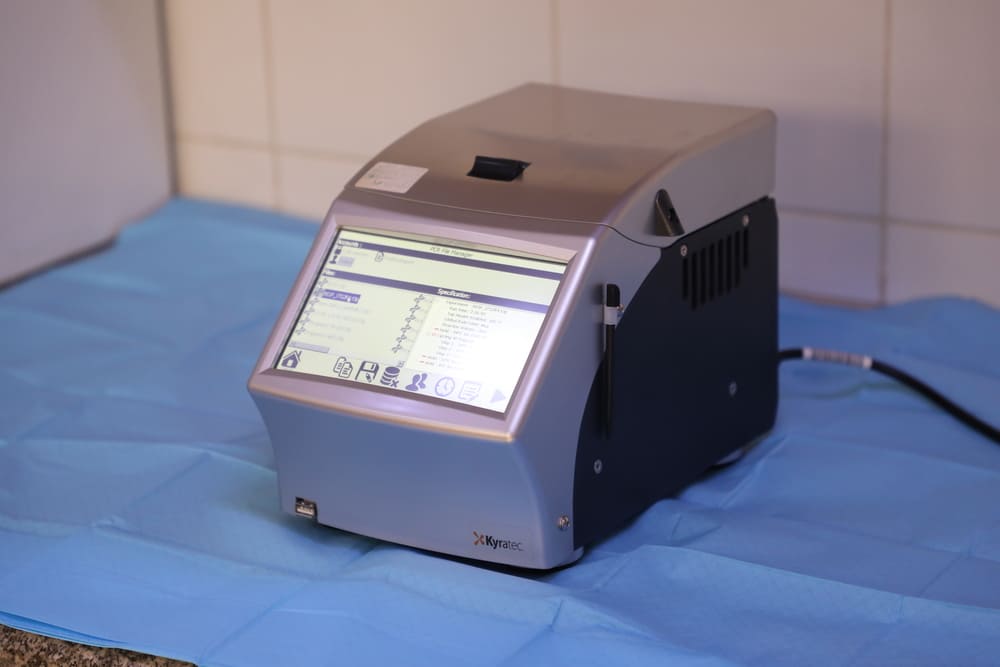
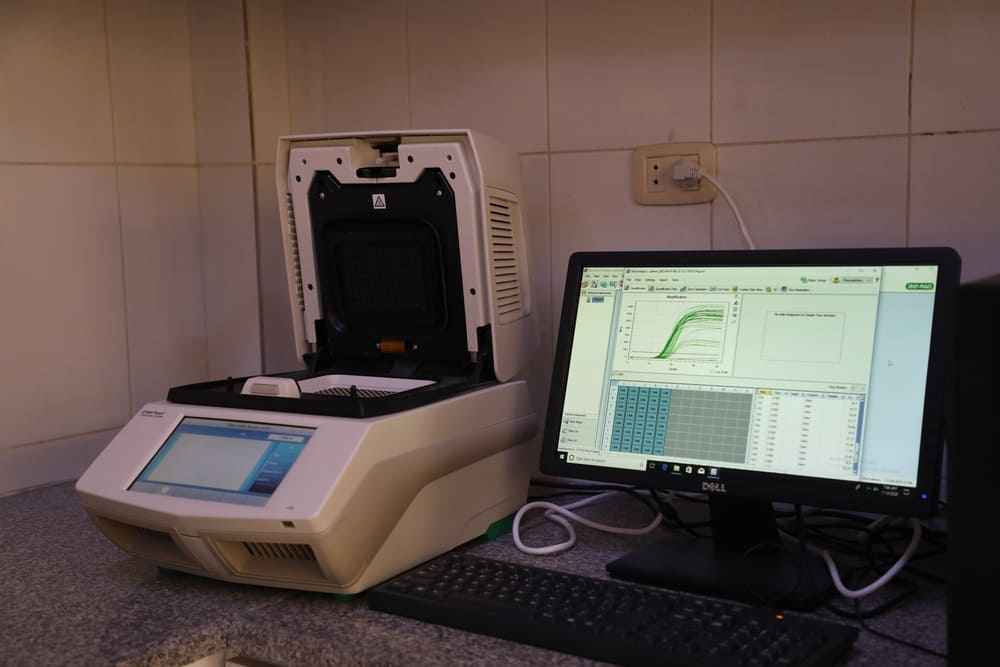
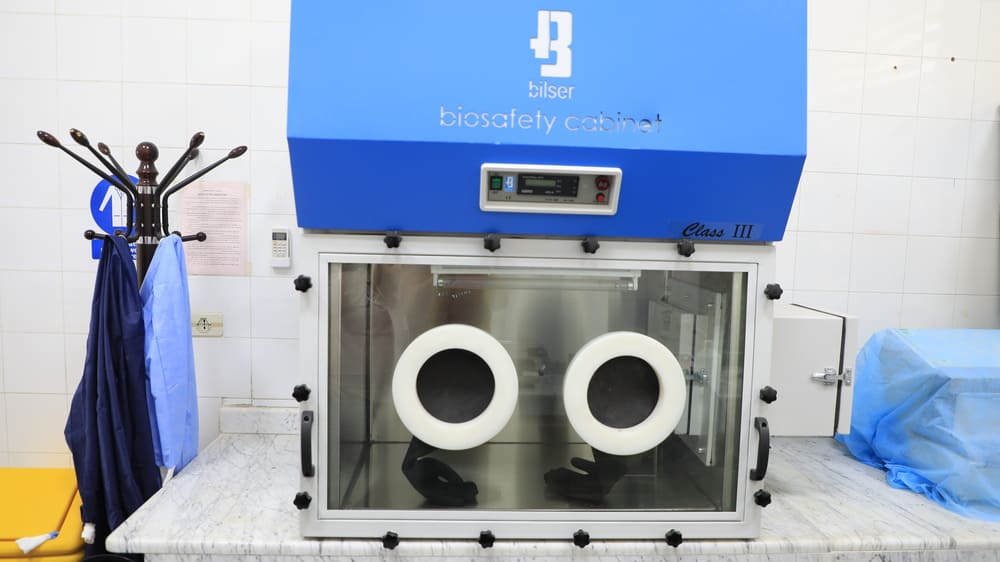
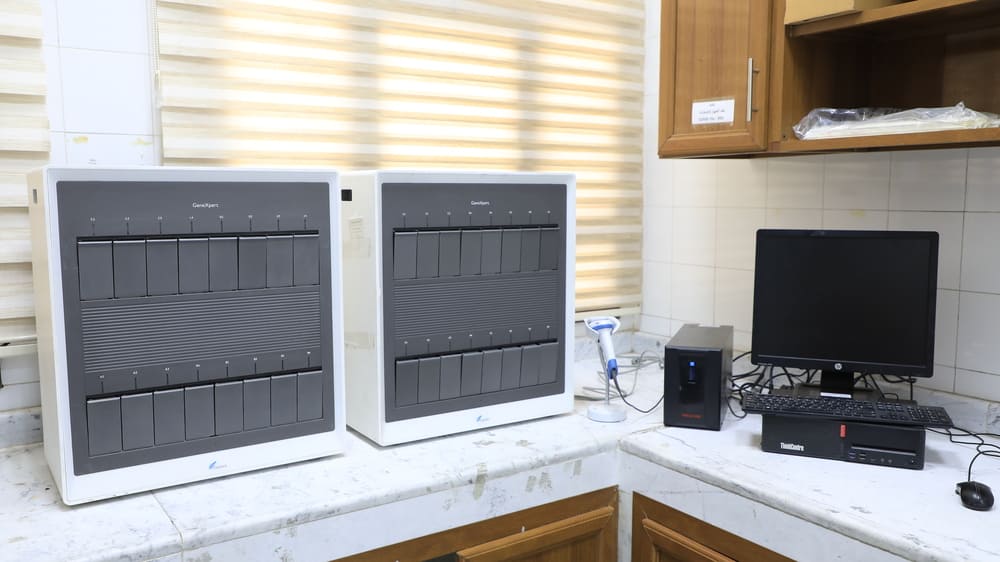
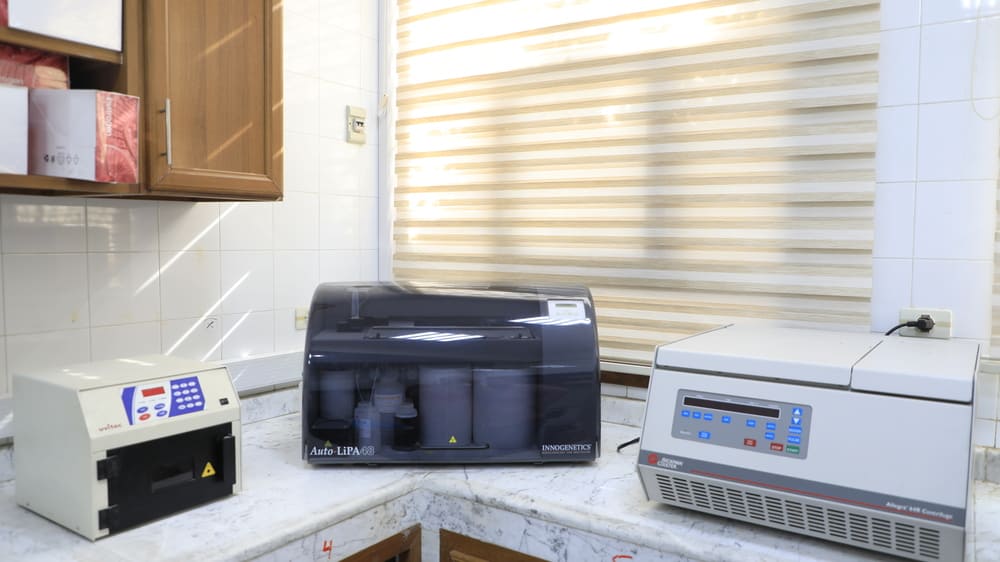
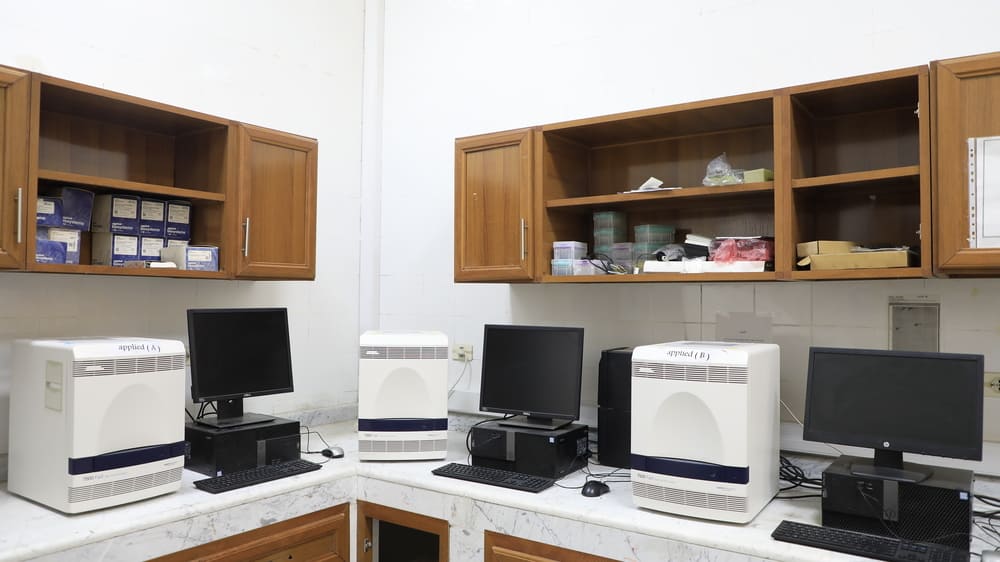
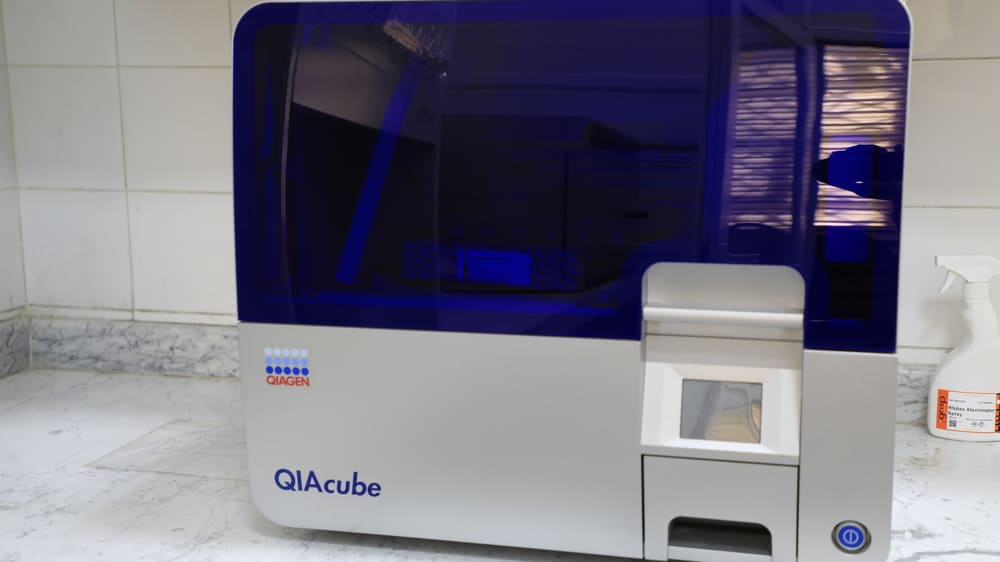
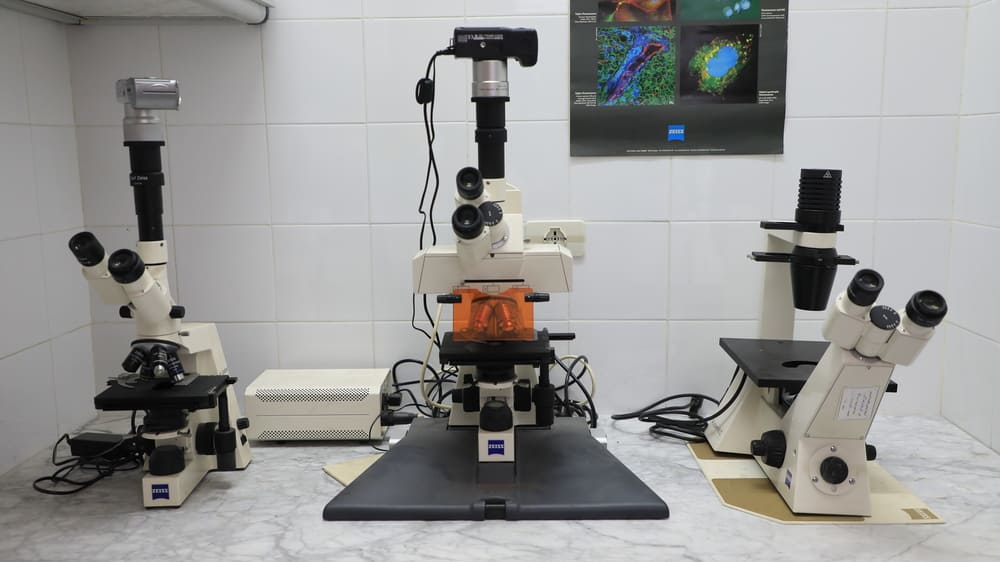
Public Health Reference Laboratory (PHRL)
About the Public Health Reference Laboratory
The Public Health Reference Laboratory (PHRL) operates under the National Center for Disease Control (NCDC) in Libya. It serves as the country’s central reference facility for public health diagnostics, outbreak investigation, and laboratory quality assurance.
The PHRL plays a vital role in strengthening the national health system through accurate testing, technical expertise, and continuous capacity building. Supports surveillance and outbreak response, and contributes to research, training, and collaboration with WHO and regional partners.
The PHRL was recognized by WHO and Hong Kong’s Centre for Health Protection for achieving a full score in the 2022
External Quality Assessment for SARS-CoV-2 detection by RT-PCR under the WHO GISRS program.
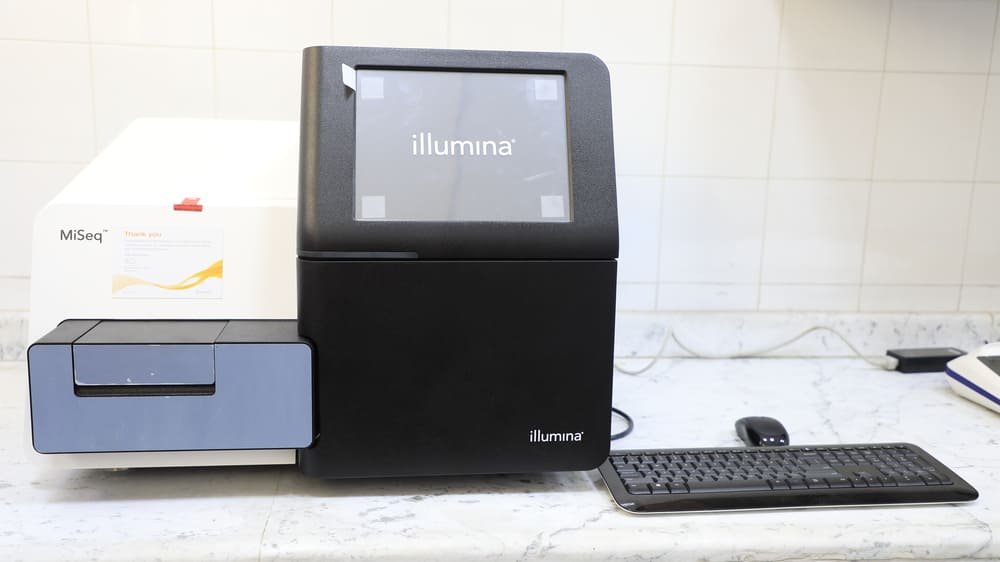
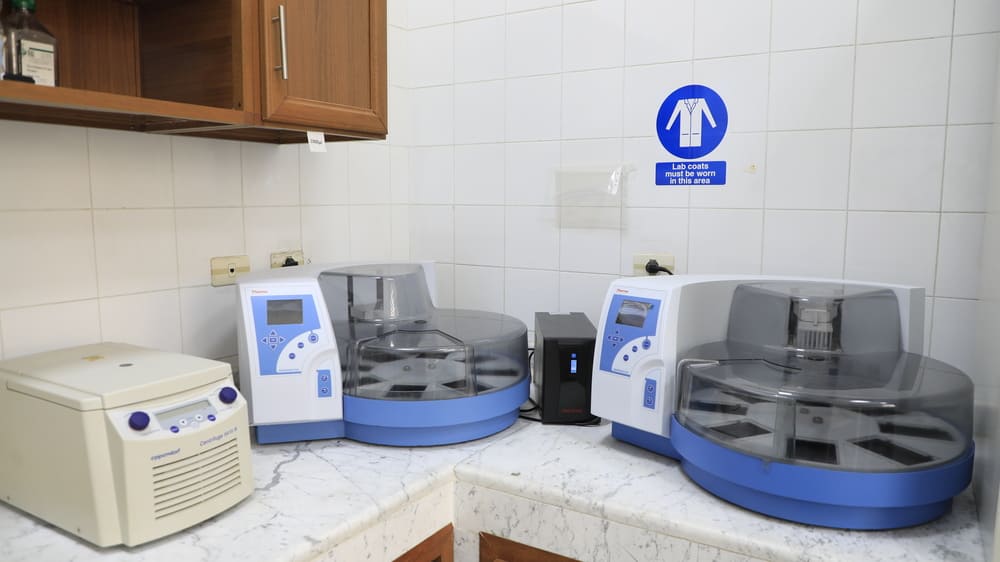
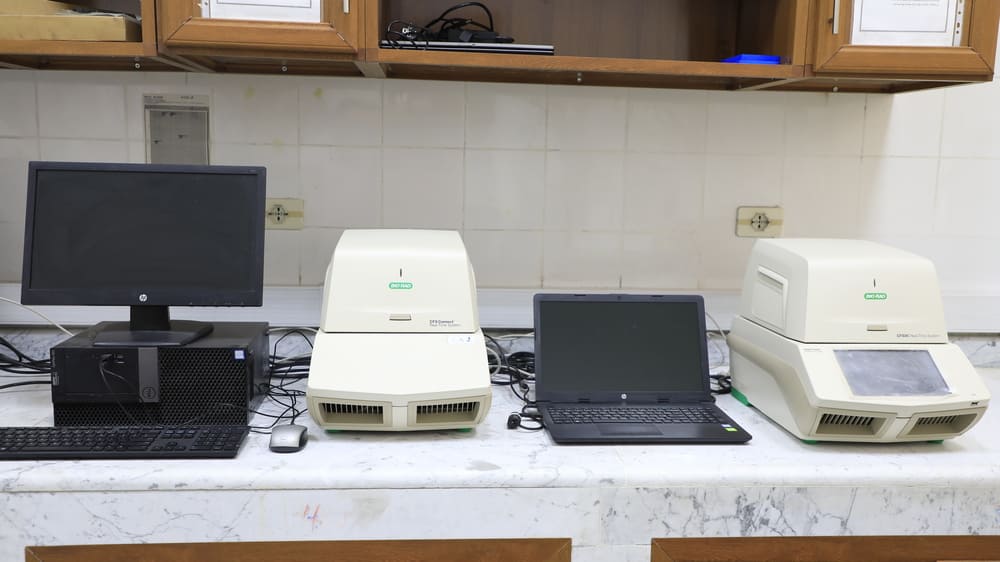
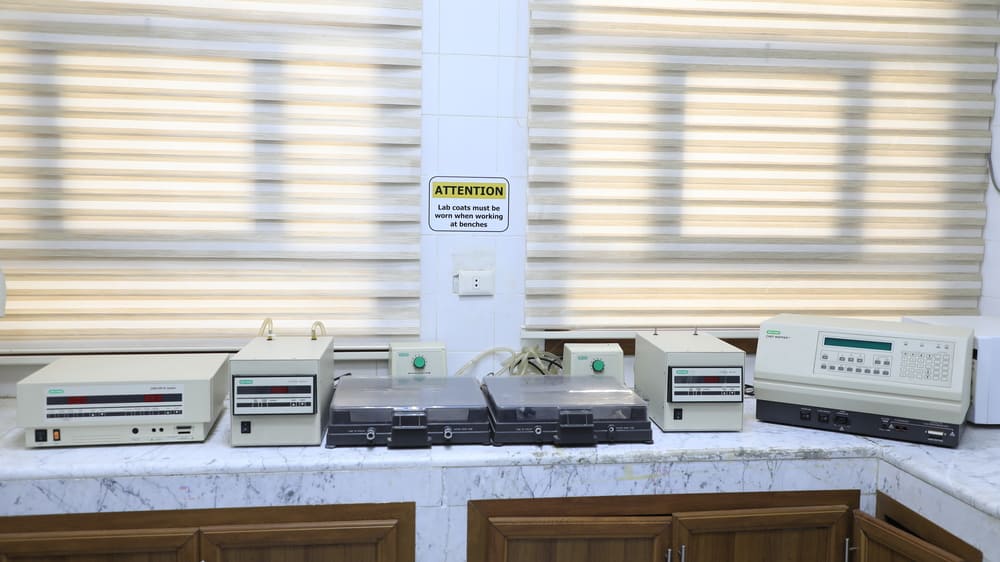
Public Health Reference Laboratory Units include:
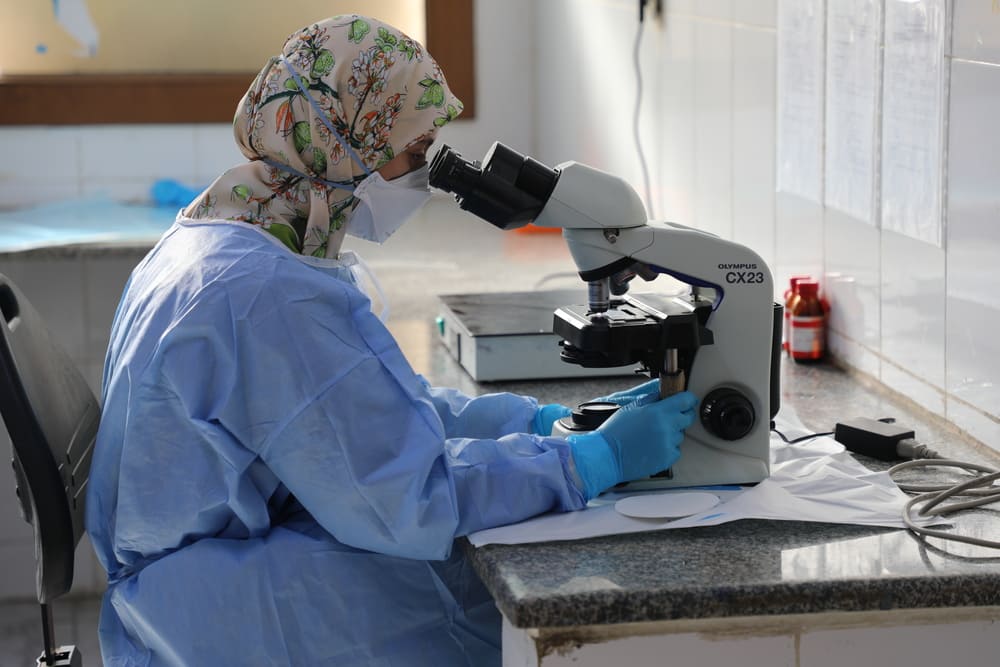
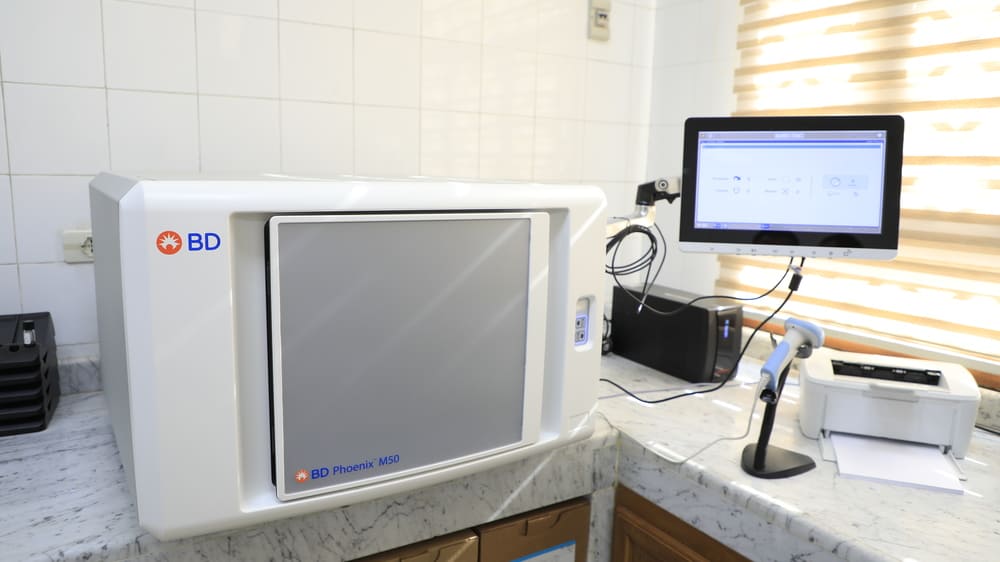
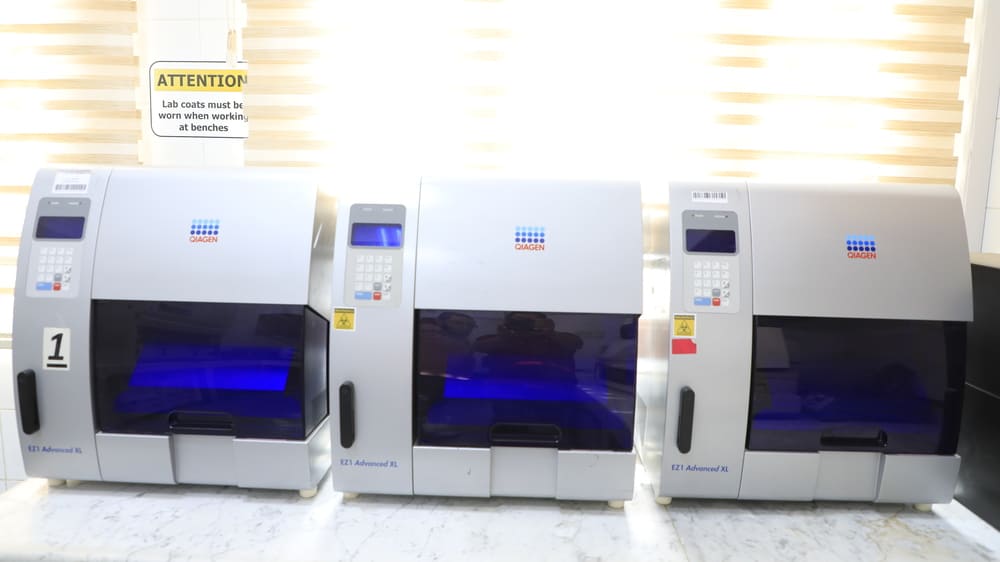
Microbiology Unit – culture, antimicrobial resistance testing, and pathogen identification
Virology Unit – molecular and serological diagnosis of viral infections
Genetic Unit – molecular sequencing, genotyping, and advanced diagnostic research
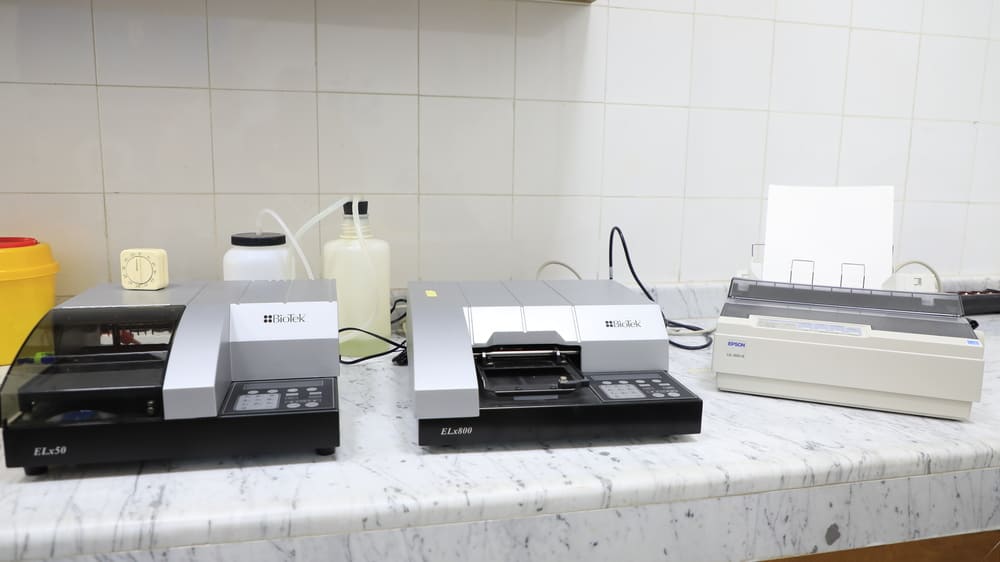
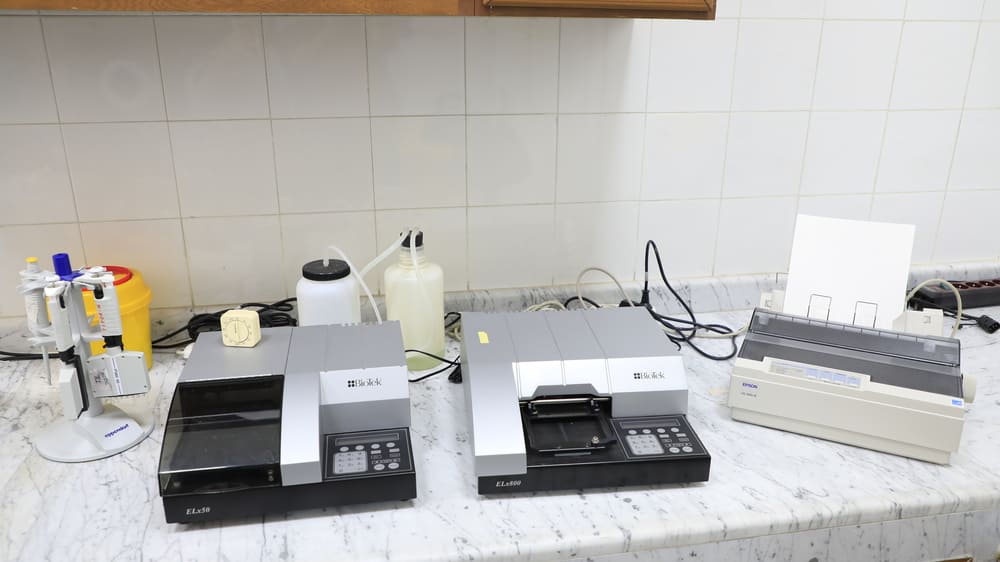
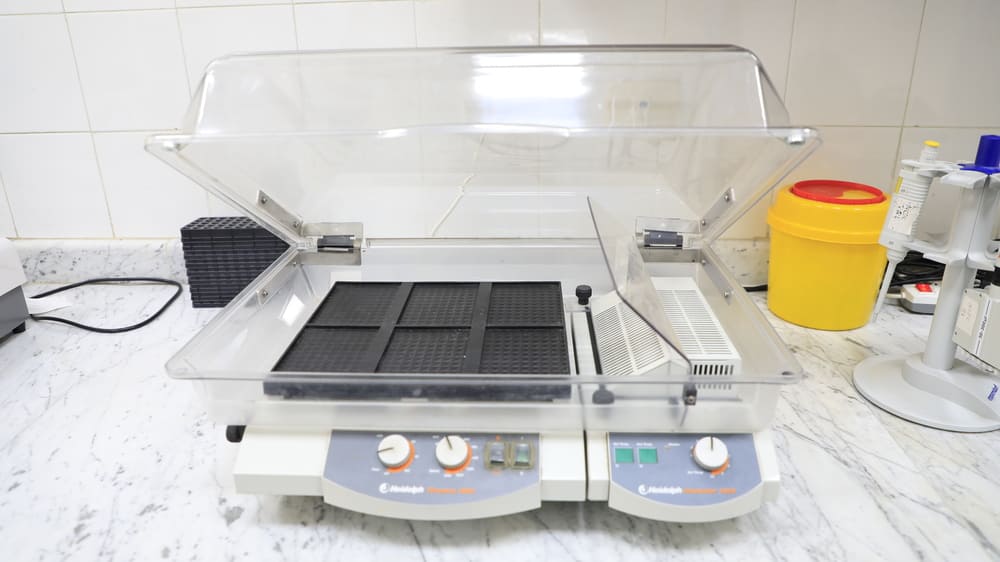
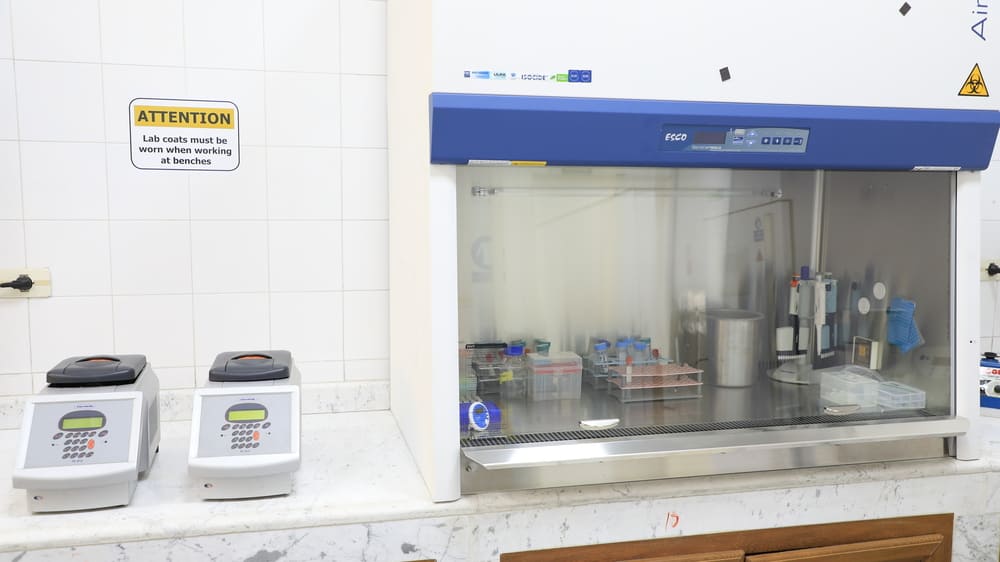
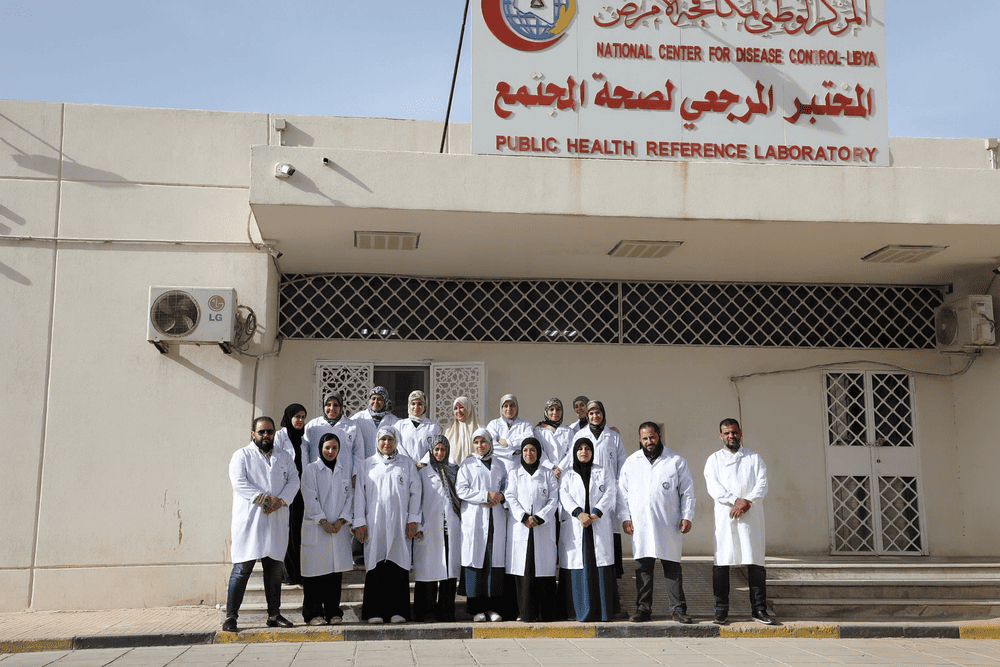
Public Health Reference Laboratory NCDC brancher in Libya

Tuberculosis Reference Laboratory (TBRL)
Ending TB, One Test at a Time
Comprehensive Testing
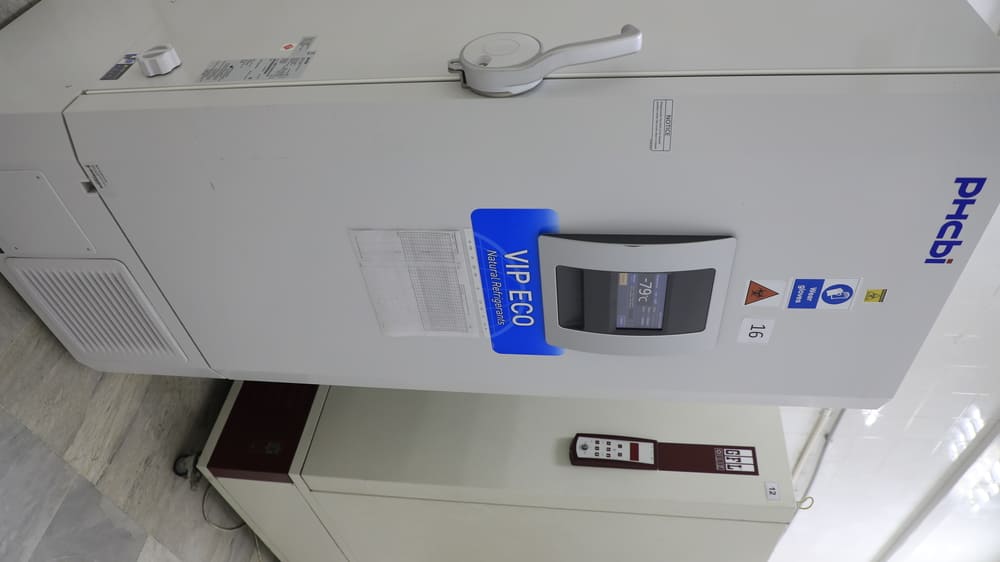
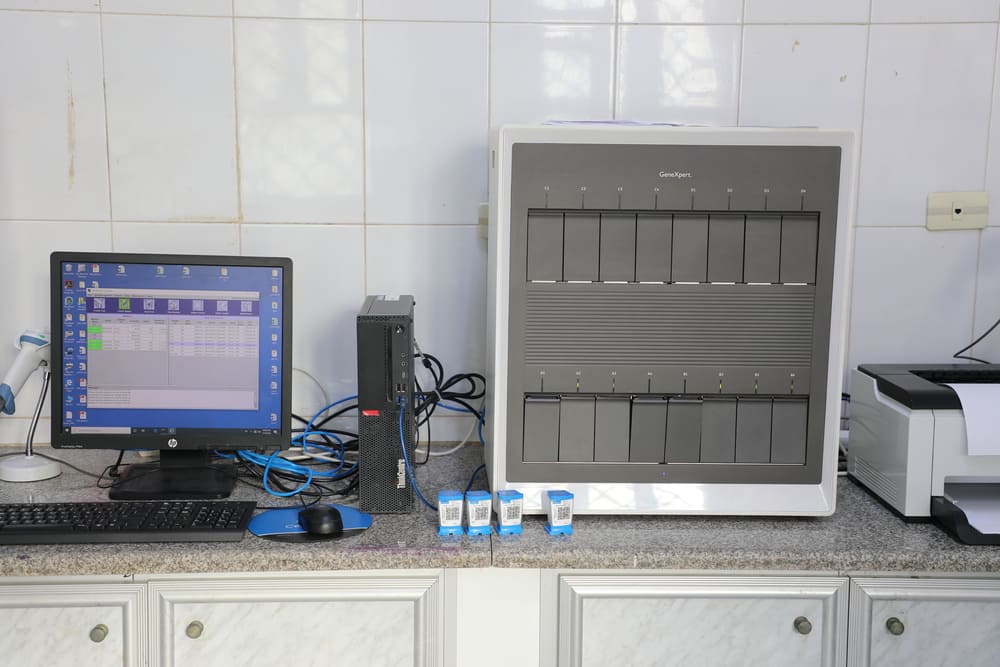
Accurate and rapid TB diagnosis using WHO-recommended methods, including smear microscopy, culture, GeneXpert, and molecular assays.
Expert Team
Highly trained laboratory professionals dedicated to reliable diagnostics and patient support.
Quality & Innovation
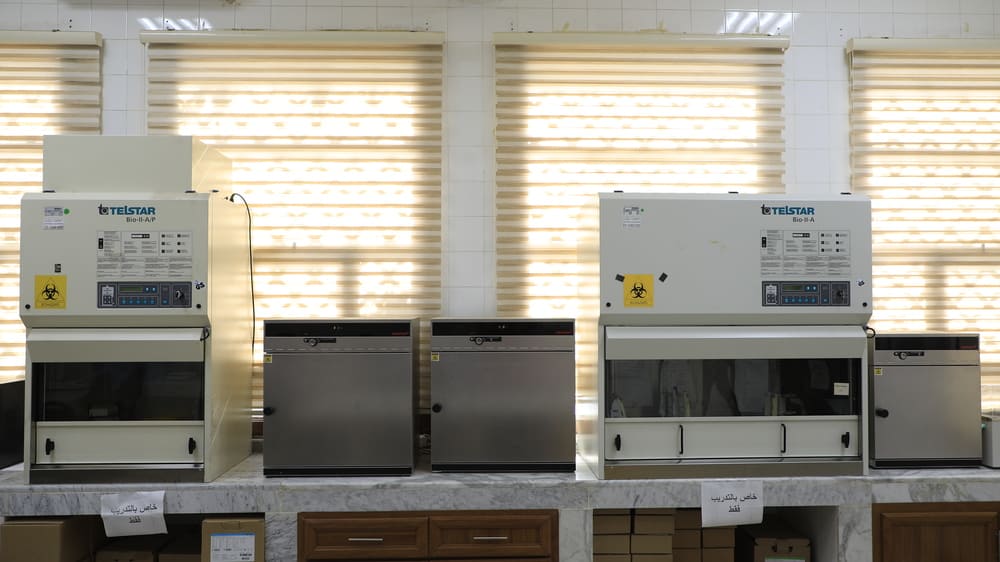
Strict quality assurance, continuous training, and cutting-edge technology ensure global standards of excellence.
Collaboration for Impact
Partnering with the National TB Control Program and WHO to monitor and combat drug-resistant TB nationwide.
Join Us in the Fight Against TB
TBRL is at the forefront of detection, surveillance, and training—working to end the TB epidemic in Libya.
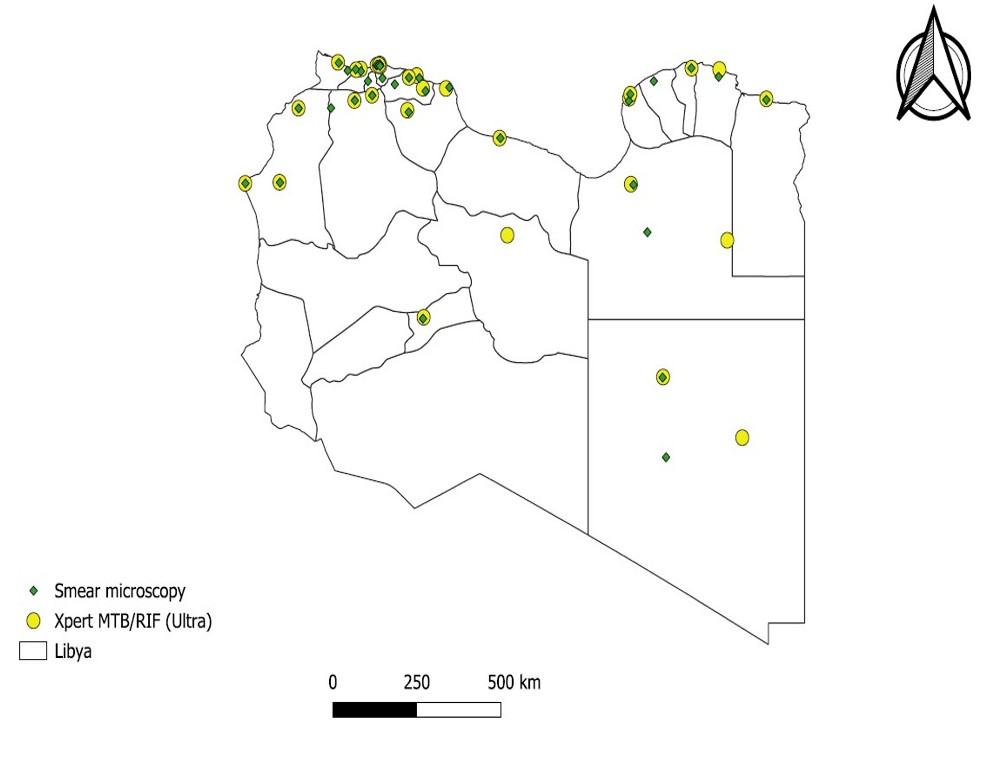
Coverage per diagnostic method across the ≈ 54 total TB health facilities (Public + Private) laboratories.
Diagnostic Method | No. of Facilities | Coverage (%) |
Smear microscopy | 36 | 66.67% |
Xpert MTB/RIF (Ultra) | 30 | 55.56% |
XDR | 4 | 7.41% |
Culture | 3 | 5.56% |
LPA | 1 | 1.85% |
Quantiferon TB Gold Plus | 4 | 7.41% |
Truenat | 3 | 5.56% |
LIAISON QuantiFERON-TB Gold Plus | 1 | 1.85% |
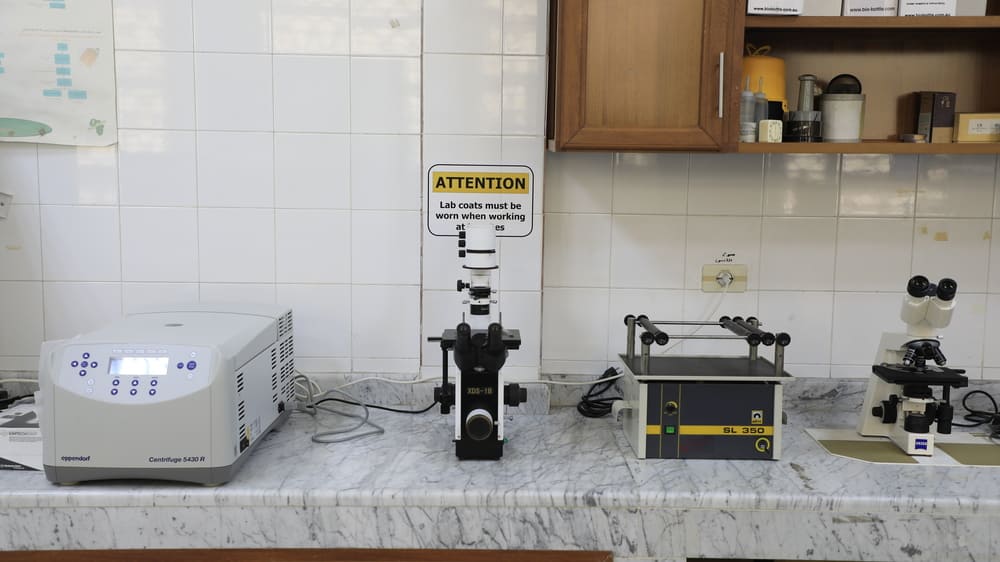
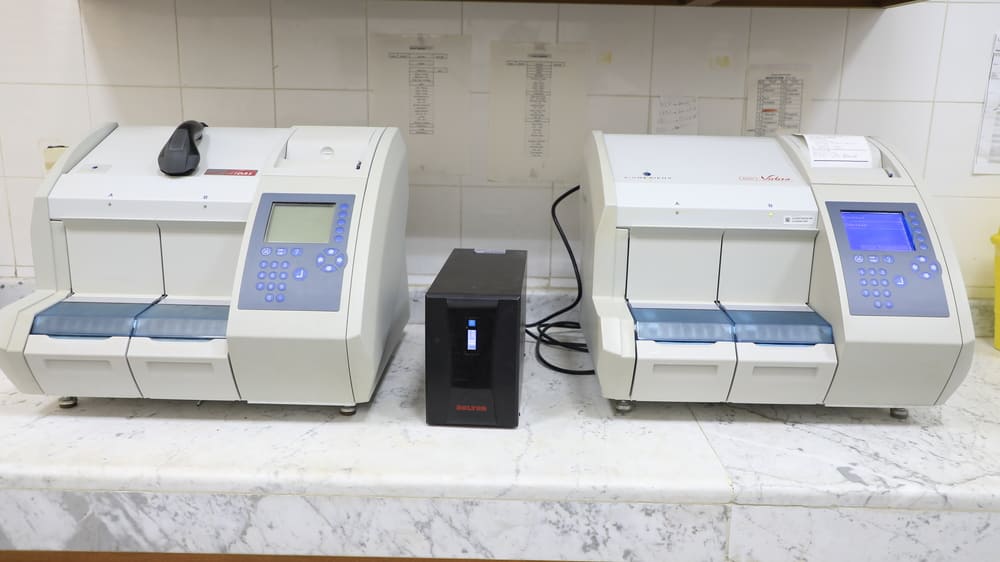
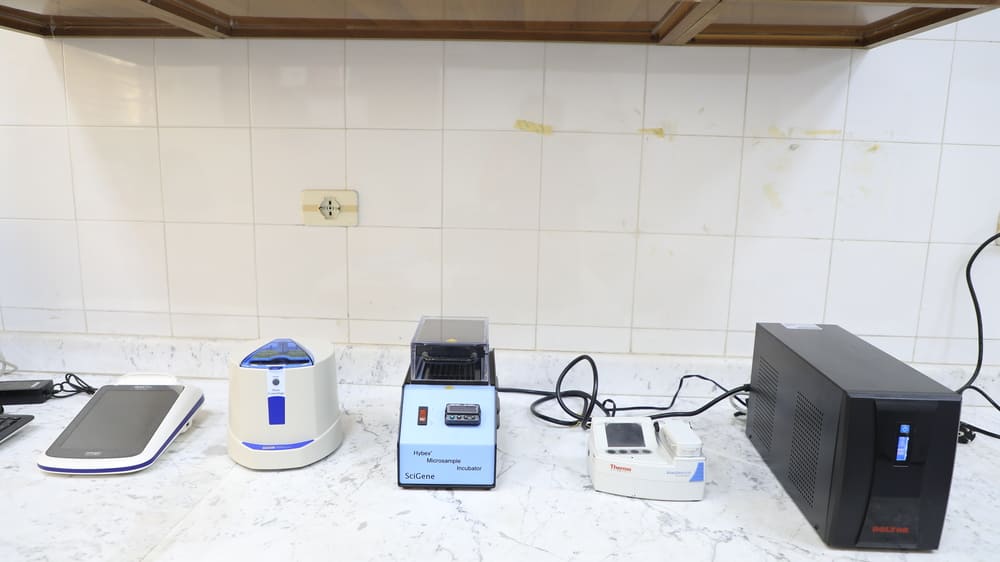
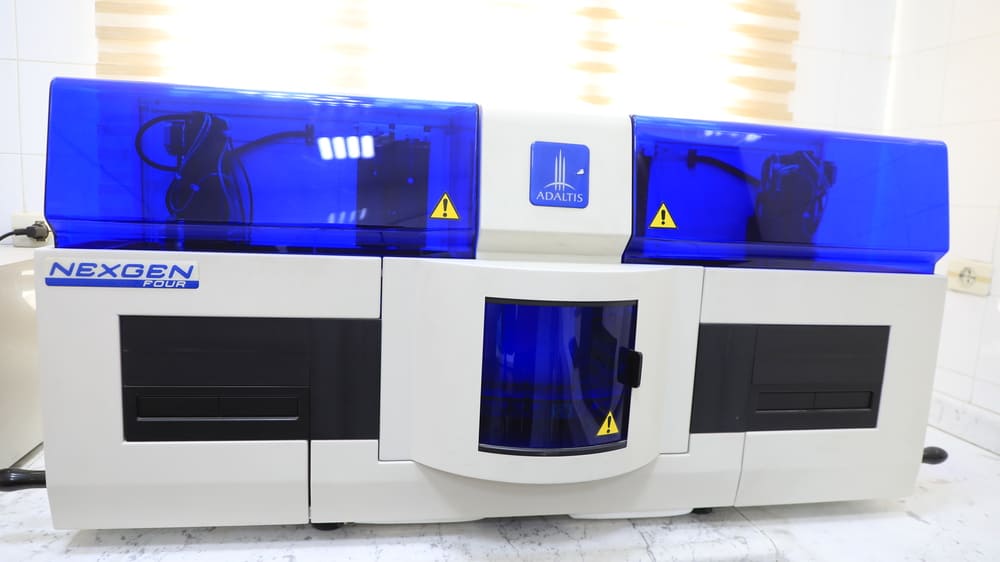
Parasitology and Vector-Borne Diseases Laboratory (Zoonotic)
About the Laboratory
The Parasitology and Vector-Borne Diseases Laboratory is dedicated to detecting, monitoring, and studying parasitic and arthropod-borne infections in humans. The laboratory performs microscopic, serological, and molecular (PCR-based) analyses for diseases such as malaria, leishmaniasis, toxoplasmosis, brucellosis, schistosomiasis, other vector-borne infections, and zoonotic diseases. In addition, the laboratory operates within a One Health framework, collaborating across human, animal, and environmental health sectors to improve surveillance, early detection, and control of vector-borne and zoonotic diseases.
Main Activities
- Diagnosis of parasitic and vector-borne diseases.
- Surveillance of emerging and re-emerging infections.
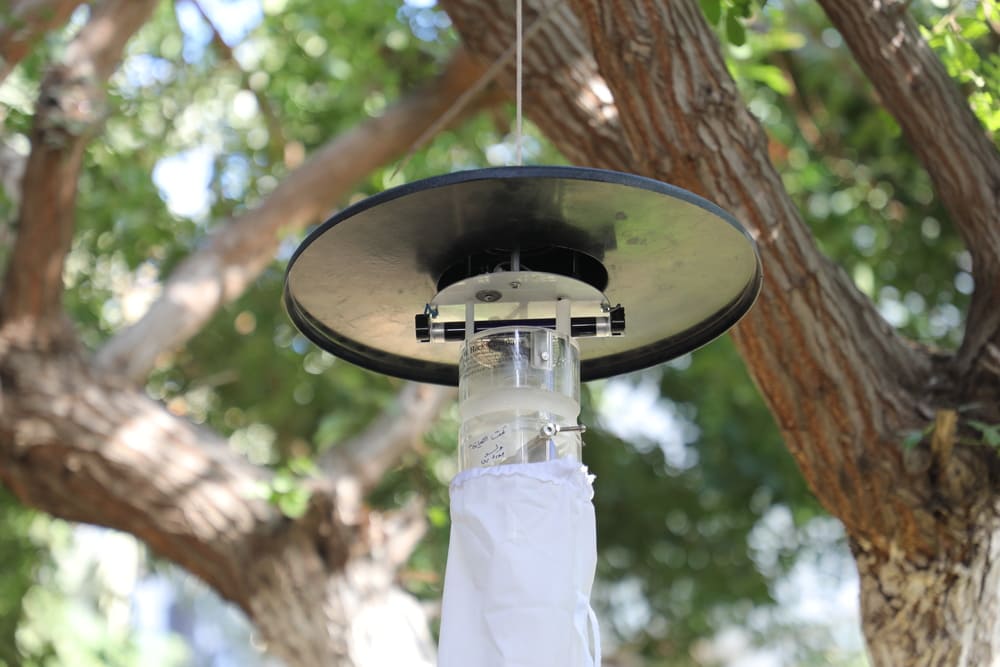
- Identification of disease vectors such as mosquitoes, sandflies, ticks, fleas, and Culicoides.
- Support for field entomological surveys and training.
- Research on zoonotic diseases, local disease epidemiology, and vector distribution.
Research and opportunities:
NCDC Laboratories advance scientific knowledge and innovation in public health through research on infectious disease surveillance, molecular diagnostics, and antimicrobial resistance.
Key Focus Areas:
- Emerging and re-emerging infections (viral, bacterial, and parasitic).
- Molecular epidemiology and pathogen genetics.
- Vector surveillance and control.
- Diagnostic evaluation and laboratory methods.
- Occupational exposure and biomarker studies use evidence- based monitoring and preventive measures to protect public health.
Opportunities:
- Research collaboration and data sharing
- Training, and capacity-building
- Joint research projects and publications
Published research
Fillo S, Giordani F, Monte A, Faggioni G, De Santis R, D’Amore N, Palomba S, Hamdani T, Taloa K, Jumaa AB, Bitrou S. Genomic Characterization and Phylogenetic Analysis of SARS-CoV-2 in Libya. Microbiology Research. 2021 Mar 3;12(1):138-49.
Rahola N, Günay F, Öztürk M, Alten B, Aqeehal HA, Saadawi WK, Shaibi T, Kavran M, Petrić D, Mitrović J, Pajovic I. Assessment of expertise in morphological identification of mosquito species (Diptera, Culicidae) using photomicrographs. Parasite. 2022 Oct 6;29:45.
Ismail F, Yousif A, Alfurjani M, Haq S. TB in eastern Libya: a decreasing trend in recent decades. The International Journal of Tuberculosis and Lung Disease. 2022 Jul 1;26(7):694-5.
Miller LN, Saadawi WK, Hamouda WB, Elgari AS, Abdulkarim EA, Lmrabet AM, Elbukhmari AE, Harabech K, Jemai AA, Farhat M, Al-Azab R. Assessing One Health capacities for transboundary zoonotic diseases at the Libya-Tunisia border. One Health Outlook. 2024 Mar 19;6(1):3.
Aboukhadeer BE, Doro BM, Aqeehal HA, Dakhil BM. Antibiogram Profiles of Bacteria Isolated from Cutaneous Leishmaniasis Patients’ Lesions. Journal of Advances in Microbiology. 2024 Sep 5;24(9):16-25.
Shebani SA, Albbani AM, Saadawi WK, Shaibi T. Diversity of hard ticks parasitizing farm animals in the Qarabulli region, Northwestern Libya. Open Veterinary Journal. 2024 Jun 30;14(6):1442.
Alkhunfas SR, Saadawi WK, Aldobea NM, Wanes EM, Abuazzah MA, Annajar BB, Aqeehal HA. Screening for antibodies against zoonotic infections among employees of the Tripoli Zoo in Libya. Open Veterinary Journal. 2025 Mar 31;15(3):1304.